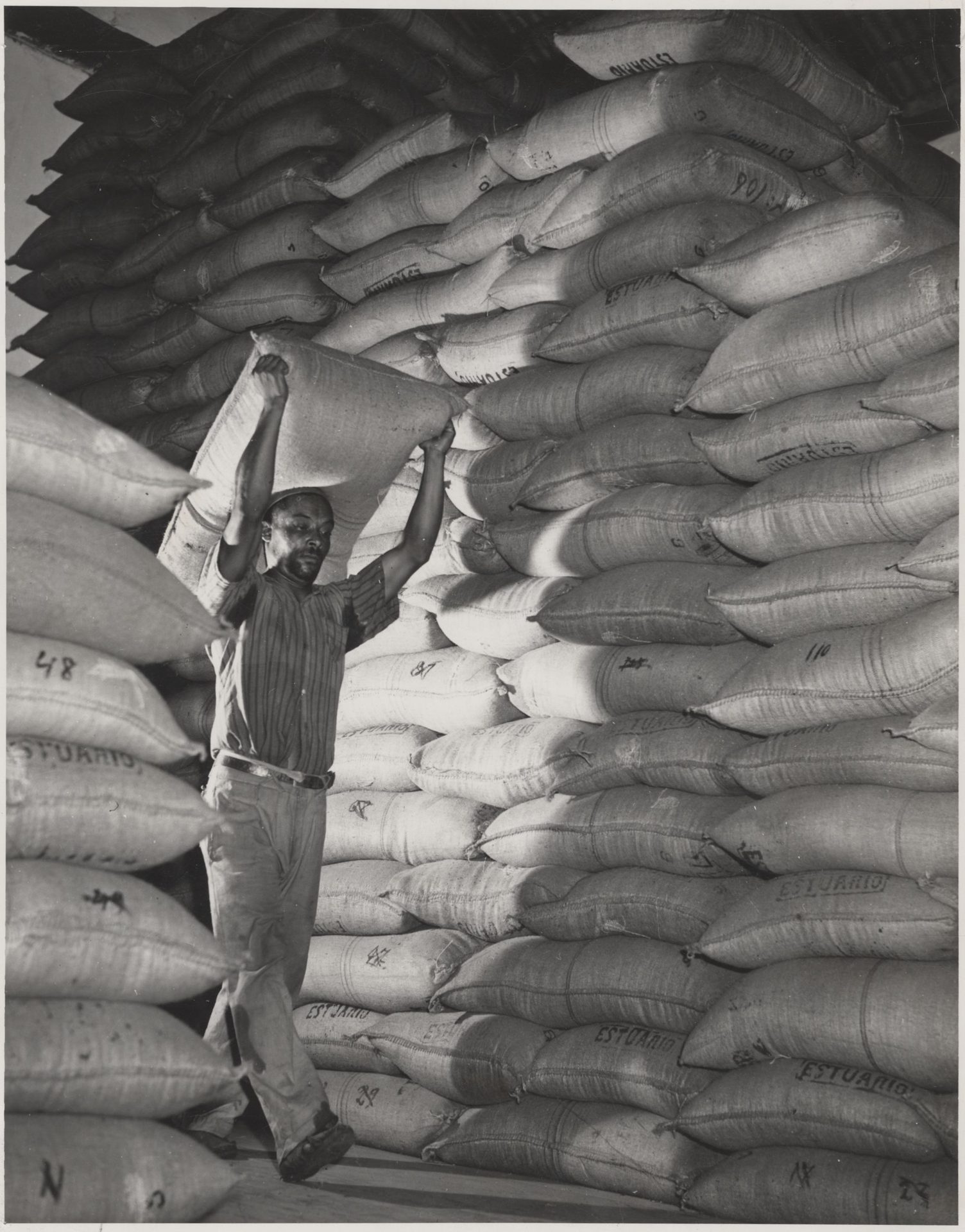
Kopitiam
The coffee-shop counter where coffee is brewed in bulk and served in small cups, usually with toasted bread and soft-boiled eggs.
Our Heritage
The story below is built from the verified record of the business — the National Heritage Board's heritage documentation, public registers and the family's own history. Where we speak about Singapore's wider coffee culture, we say so.
The Name
“Lam Yeo” is Hokkien for 南洋 — “Nanyang”, the name older Singaporeans give to the South Seas and Southeast Asia. The name comes from the Nanyang Siang Pao, the newspaper where founder Tan Thian Kang worked as an editor before turning his life to coffee.
✓ verified — NHB heritage documentation; Wikipedia

The Timeline
Every entry below is from the verified record, with its source. No dates or events are invented for this concept.
1912
The future founder of Lam Yeo is born. He will later work as an assistant and deputy editor at the Nanyang Siang Pao, a Chinese-language newspaper.
✓ verified — NHB Street Corner Heritage Galleries; Wikipedia
1959
Tan Thian Kang and his wife Lim Chok Tee begin selling coffee powder door to door from a van, working the neighbourhoods around Balestier.
✓ verified — NHB heritage booklet
1960
The factory takes up home at 328 Balestier Road. The business is registered as “Lam Yeo Coffee Powder Factory” on 21 September 1960.
✓ verified — NHB; wiki.sg
2008
Tan Thian Kang (1912–2008) passes away, leaving a trade that began with a single van on Balestier's streets.
✓ verified — NHB Street Corner Heritage Galleries
Today
The shophouse is run by the family's third generation, keeping the traditional methods of roasting and grinding in everyday use.
✓ verified — NHB heritage booklet; OnTheGrid
Balestier
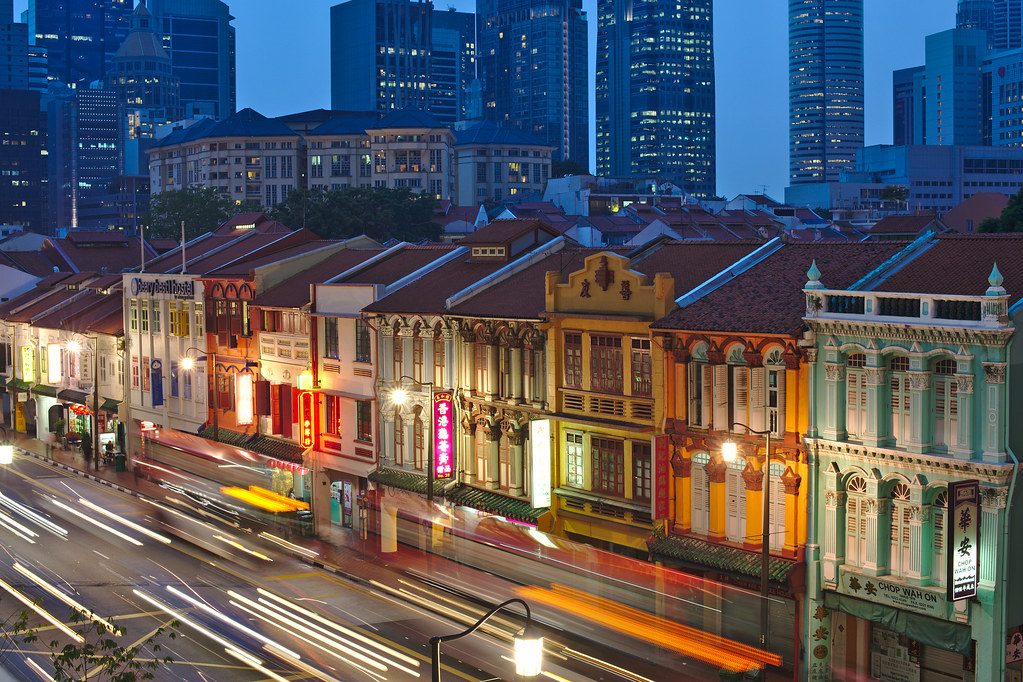
Lam Yeo's shophouse on Balestier Road is part of the area's recorded heritage: it is included among the National Heritage Board's Street Corner Heritage Galleries for Balestier, and the street itself is a layer of Singapore's older commercial and residential life. The shop sits in a street that still carries the rhythm of the traditional trades.
✓ verified — NHB Roots — Street Corner Heritage Galleries, Balestier
Context — not company history
Lam Yeo's history is one thread in a wider cloth. This is the story of the wider tradition it belongs to — kept separate from the company's own record above.
The coffee-shop counter where coffee is brewed in bulk and served in small cups, usually with toasted bread and soft-boiled eggs.
Traditional Singapore kopi is brewed by pressing hot water through a metal sock (strainer), a method that gave the drink its smooth, strong character.
A short menu of one drink: with condensed milk, with sugar only, or with evaporated milk — ordered by name at the counter, and known by heart.
A handful of independent factories — Lam Yeo among them — kept the traditional dark, robust roast alive through decades when instant coffee took over most of the island.
Today
The shophouse at 328 Balestier Road is run by the family's third generation, and the traditional methods remain part of everyday life there — the same street where it all began in 1959.
✓ verified — NHB heritage booklet; OnTheGrid
Visit the shophouse →