The Craft
Five habits,
kept for generations
The craft of traditional Singapore kopi is a set of small decisions — the bean, the roast, the grind, the sock, the cup. This section describes the traditional method as a whole. Where a step is not verified as a specific practice at Lam Yeo, we mark it “traditional practice (general)”.
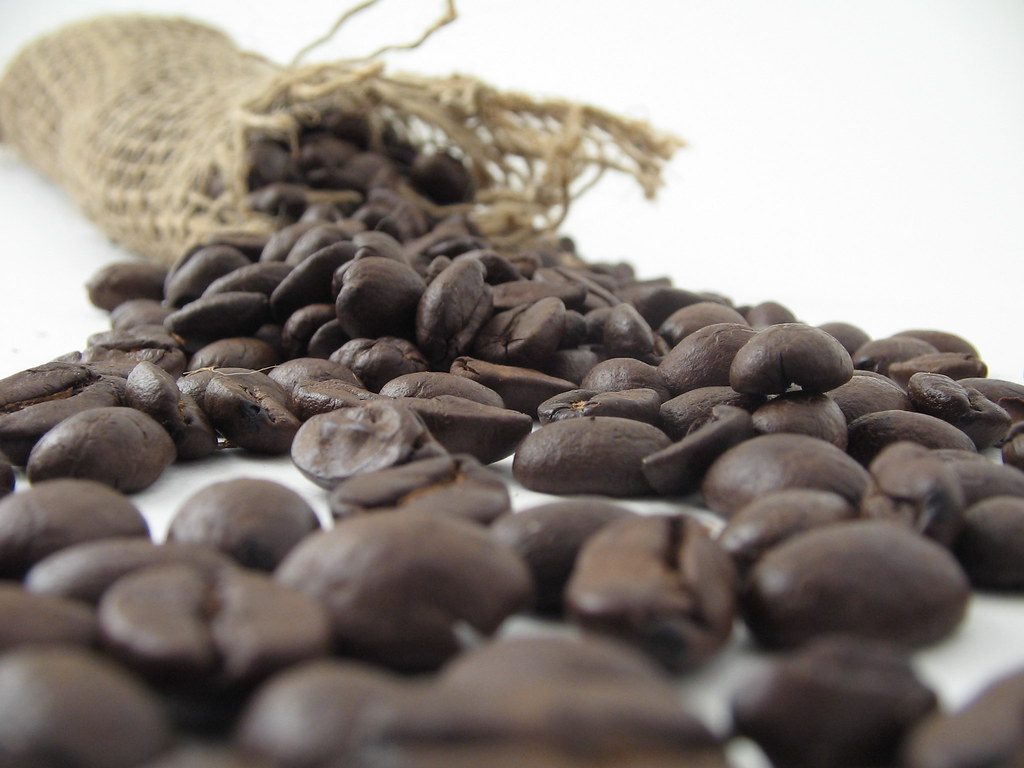
Bean selection
The story starts before the fire: choosing beans with the depth the traditional dark roast demands. Singapore's traditional coffee leans on robusta's body, blended for strength — a preference the island's counter culture shaped over generations.
Traditional practice (general) — not verified as Lam Yeo-specific
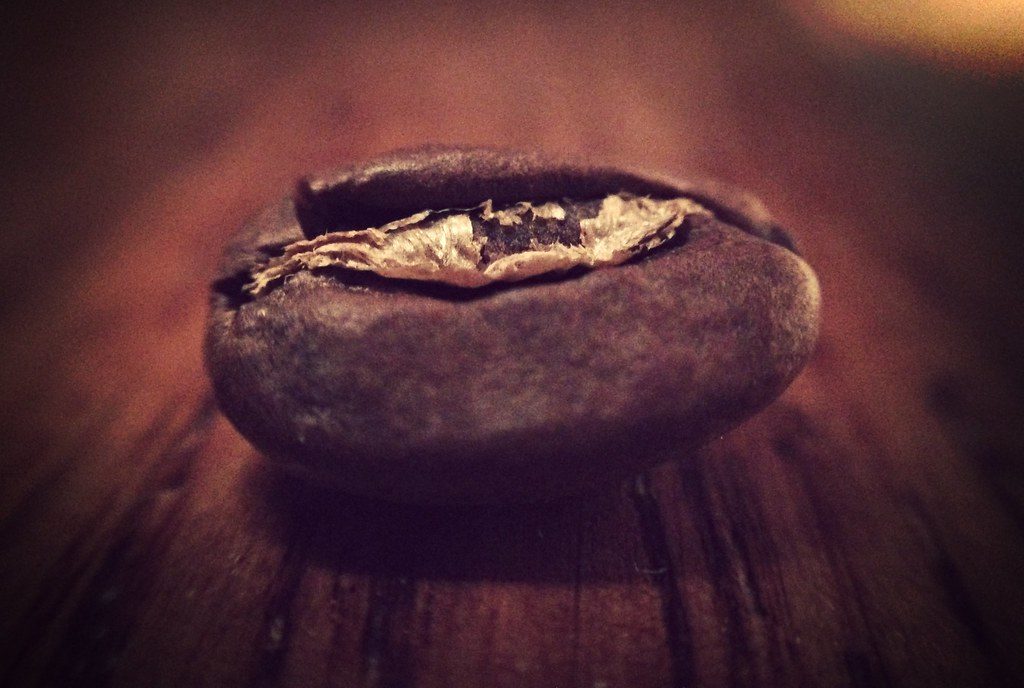
The roast
Traditional Singapore kopi takes its colour from a dark roast — longer, deeper, until the bean carries that bittersweet intensity the counter expects. The roaster's eye and ear decide the moment to pull.
Traditional practice (general) — not verified as Lam Yeo-specific
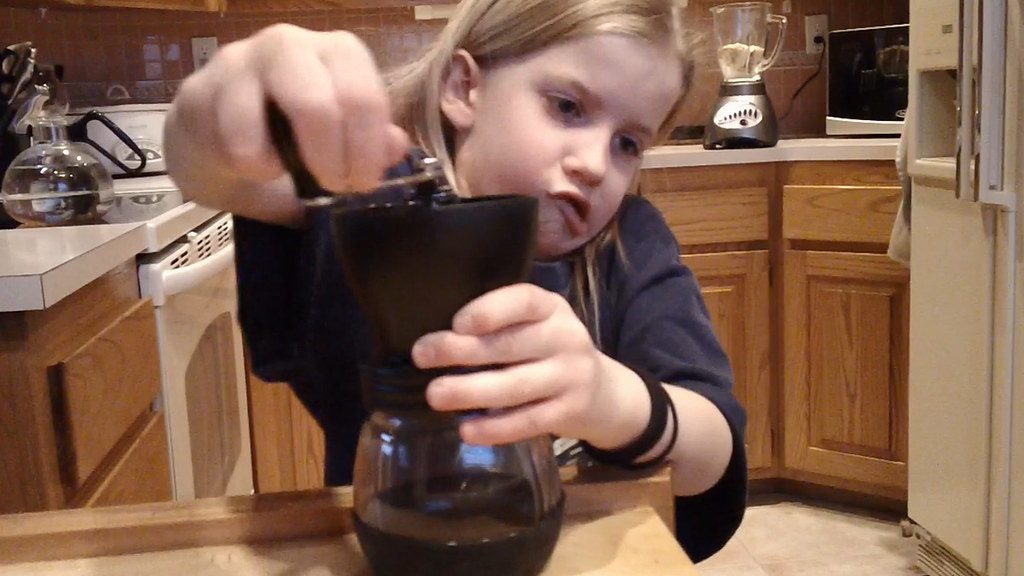
The grind
For coffee powder, the grind is fine and consistent — the texture that makes the traditional brew fast and full of character. It is the step that turned the factory's name into “coffee powder”.
Traditional practice (general) — not verified as Lam Yeo-specific
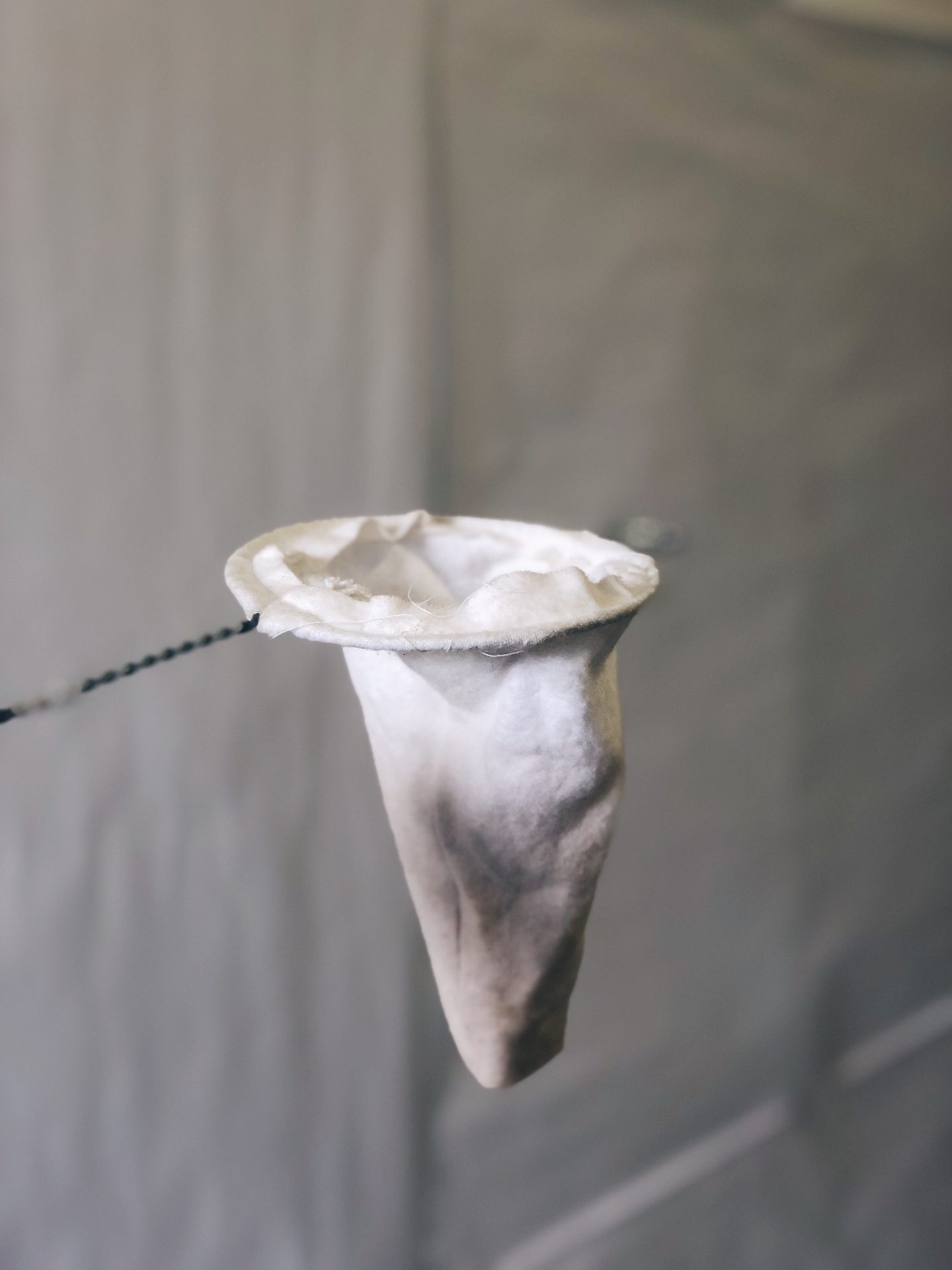
The sock
The heart of the kopitiam: hot water pressed through a metal sock — the “coffee sock” or strainer — that gives traditional kopi its smooth, strong, slightly creamy body. The same tool that defined a counter culture.
Traditional practice (general) — not verified as Lam Yeo-specific
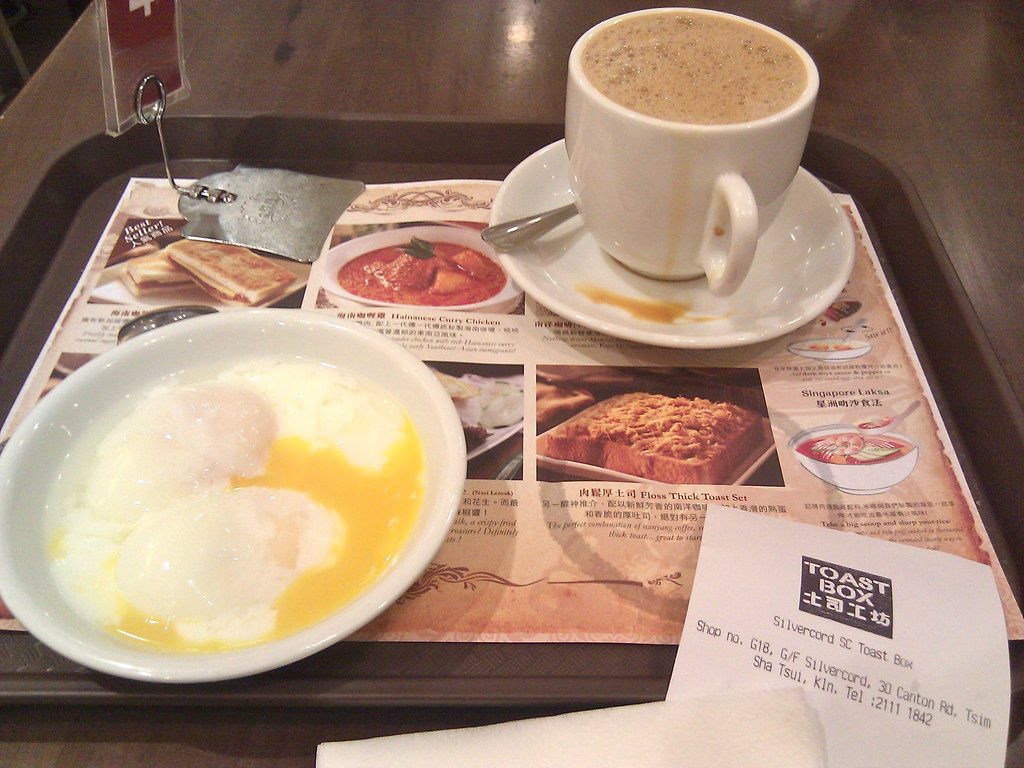
The table
Kopi meets kaya toast, soft-boiled eggs and a slice of bread — the breakfast of a generation, ordered by name and served fast. This is where the craft lands: on the marble table, in the small cup.
Traditional practice (general) — not verified as Lam Yeo-specific
Taste the tradition
Try it the way it's meant to be
Come to the shophouse on Balestier Road, or take the traditional coffee powder and beans home to your own counter.